Let’s be honest — most gluten-free pizza crusts are a letdown. They’re either so dry they crack when you fold a
slice, or so hard you need a steak knife to cut through them. And half the time they fall apart the second you pick up
a piece.
I got tired of that, so after a bunch of trial and error, I landed on this version. It’s soft in the middle, gets a nice crisp
edge, and actually tastes like something you’d want to eat again — not just “acceptable for gluten-free.”
You don’t need any fancy equipment or baking background for this. A decent gluten-free flour blend, some yeast,
and a handful of stuff you probably already have in your kitchen. That’s it.
The Basics
Making a good gluten-free crust at home really comes down to three things: picking the right flour blend, letting the
dough rest properly, and pre-baking before you pile on toppings. Skip any of those and you’ll end up with something
either too soft or too dense
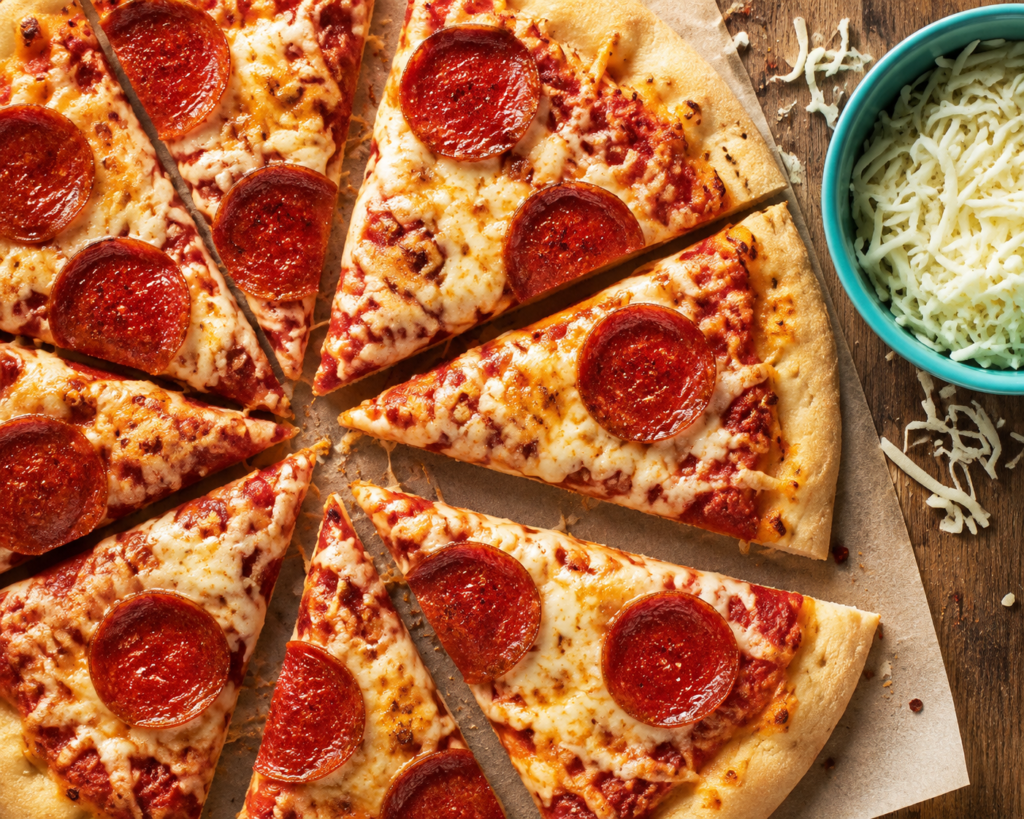

Gluten Free Pizza Crust Recipe – Easy, Crispy & Homemade
Description
Turns out you don't need a bakery to get this right. With a decent gluten-free flour blend, some yeast, and stuff already sitting in your pantry, this crust comes together easily and bakes up crispy on the edges, soft in the middle. Whether gluten-free is a must for you or you're just looking for a good homemade pizza base, this one's simple enough for a regular weeknight and good enough for pizza night with people you actually like.
What You'll Need
Why Each Ingredient Matters
Toppings — Go Wild
How to Make It
1. Wake up the yeast
-
Mix warm water, sugar, and yeast in a small bowl and let it sit for about 5 minutes. You're looking for a light foam on top — that's how you know it's alive and ready to go.
2. Mix your dry stuff
-
In a big bowl, combine the flour, xanthan gum (if you're adding it separately), and salt.
3. Bring it together
-
Pour in the yeast mixture along with the egg, olive oil, and apple cider vinegar. Mix until you get a soft dough. Don't panic if it feels stickier and softer than regular pizza dough — that's completely normal for gluten-free.
4. Let it rest
-
Cover the bowl with a towel and set it somewhere warm for about 30 minutes. This is where the texture actually comes together, so don't rush it.
5. Shape it
-
Preheat your oven to 425°F (220°C). Line a tray with parchment paper, plop the dough down, and use slightly wet hands to press it into a round shape. Try to keep the thickness even — uneven spots cook unevenly.
6. Pre-bake
-
Bake the bare crust for 8–10 minutes before you add anything on top. This step matters more than it sounds like it should — skip it and you risk a soggy middle once the sauce goes on.
7. Top it
-
Pull it out, spread your sauce, add cheese, and pile on whatever toppings you're feeling. Just don't go overboard — too much weight on there will soften the crust.
8. Bake it again
-
Back in the oven for another 7–8 minutes, until the cheese is melted and the edges turn golden. Give it a few minutes to cool before you cut in — trust me, it slices cleaner.
A Few Things That'll Save You Grief
-
•Don't cheap out on the flour blend. Not all of them behave the same, and a baking-specific blend makes a real difference.
-
•Resist the urge to add more flour. Gluten-free dough is supposed to be soft and a little sticky — adding extra flour just dries everything out.
-
•Always pre-bake. It's the difference between crispy edges and a floppy, soggy center.
-
•Go easy on wet toppings. Watery vegetables and heavy sauce will soften the crust fast.
-
•Let it rest before slicing. A few minutes off the heat and the crust firms up nicely.
Troubleshooting
Crust falling apart / crumbly?
-
Your dough probably needs more moisture, or more binding power. Double check your flour has xanthan gum, or add it in yourself.
Crust too soft?
-
Usually means too much sauce, or you skipped/rushed the pre-bake. Give it a couple extra minutes in the oven before topping next time.
Dough really sticky?
-
Normal for gluten-free. Instead of dumping in more flour, wet your hands or rub on a little olive oil while shaping.
Crust came out dry?
-
Probably overbaked, or too much flour got worked in somewhere. Stick to the measurements and keep an eye on your bake time.
A Few Variations Worth Trying
-
•Thin crust: spread the dough out thinner before the first bake for something lighter and crispier.
-
•Garlic herb crust: mix garlic powder and dried herbs right into the dough.
-
•Dairy-free: swap in dairy-free cheese, same method otherwise.