
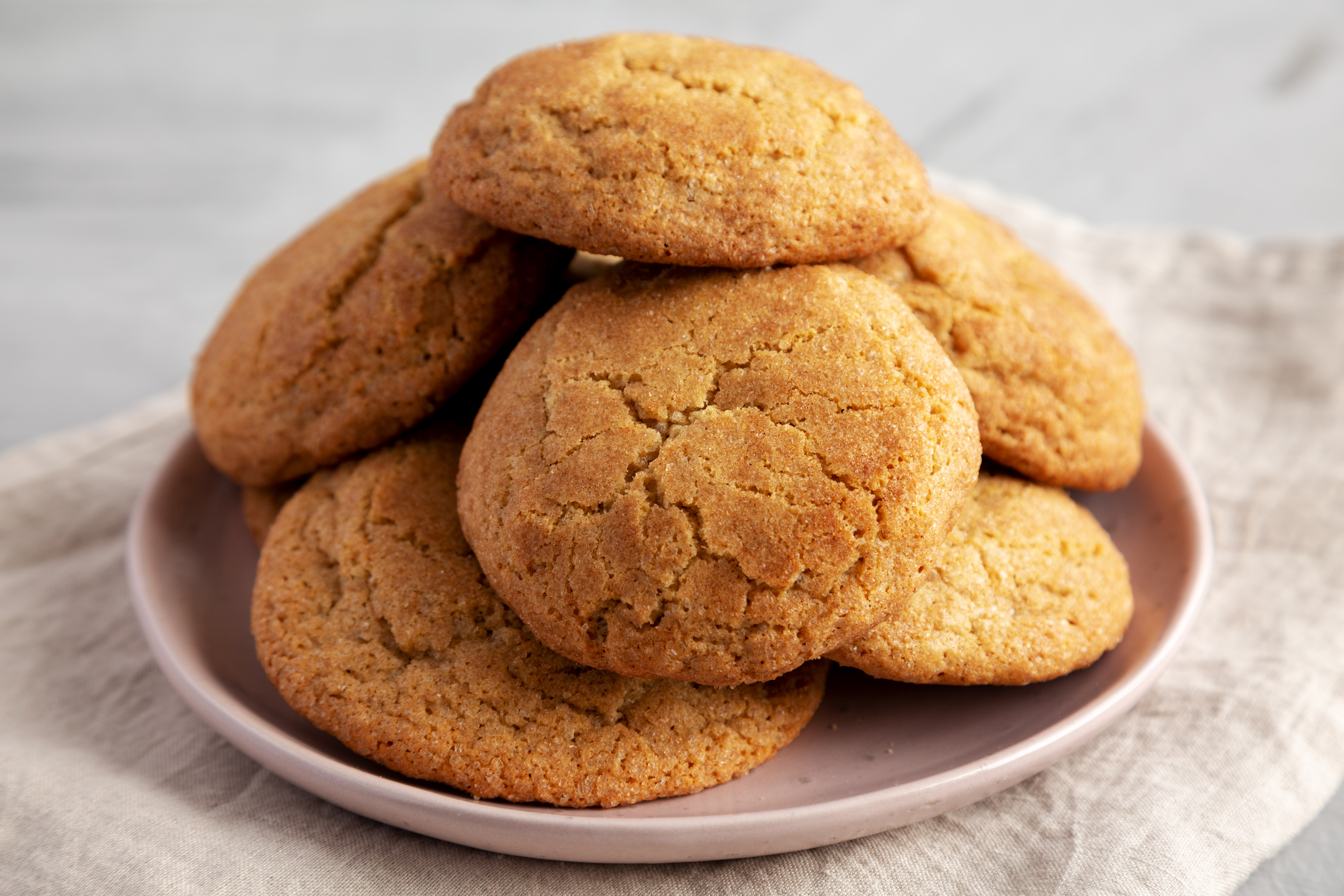
You’re looking for the ideal snickerdoodle cookie recipe, well then you’ve found it. These cookies have golden, crackly tops, soft and chewy centres, and a warm cinnamon-sugar glaze which makes the entire kitchen smell great. They call for simple items that can be found in ordinary household cabinets, require no special equipment, and take about thirty minutes to prepare. Snickerdoodles are one of the most popular cookies in the world and it is easy to understand why. They are simple, buttery and have a slightly tangy taste which is comforting yet not too sweet. They are ideal for serving with afternoon tea, for inclusion in school lunchboxes, in holiday cookie boxes and for giving as a gift.
Why You’ll Love This Snickerdoodle Cookie Recipe
They are soft and chewy, and the centres remain tender for days. The tops have a crackly texture; that traditional crinkled appearance is due to the correct balance of ingredients. The ingredients are simple and you likely already have all of them in your kitchen. There’s no need for complicated procedures—just one bowl, one mixer, and a baking sheet. Ideal as a gift; they keep well and look very nice when placed in a tin.
What sets a snickerdoodle apart?
A snickerdoodle isn’t merely a cinnamon sugar cookie since the real secret lies in the use of cream of tartar, a weak acid which gives the cookie its slight tang and results in a soft, chewy texture;furthermore, when combined with baking soda it also causes the dough to rise and then settle down to form those characteristic cracks. Another distinctive feature is the liberal use of cinnamon sugar before baking, which results in a sweet, spiced, and slightly crisp coating covering a soft interior.
Snickerdoodle Cookie Recipe: Soft, Chewy & Ready in 30 Minutes
Ingredients
Method
- Oven should be preheated to 375°F (190°C). Place parchment paper on two baking sheets. This will
- stop the cookies from sticking and help them bake evenly.
- Mix the flour, cream of tartar, baking soda, and salt together in a medium bowl. Put the mixture aside.
- Mixing ensures that the leavening agents are evenly distributed so that all the cookies rise in the
- same manner.
- Put the softened butter and sugar into a big bowl and beat them together for 2 to 3 minutes until they
- have become pale and fluffy. The air incorporated in this step causes the cookies to have a tender
- crumb.
- Break the eggs in one at a time and then add the vanilla; make sure to scrape the sides of the bowl
- so that all the ingredients are thoroughly combined.
- Put the dry ingredients into the butter mixture in two or three portions. Mix at a low speed until they
- are just combined. If you mix the dough for too long the gluten will develop and the cookies will turn
- out tough, so stop mixing as soon as no dry flour is visible.
- To make thicker and chewier cookies, place the dough in the fridge for 30 minutes; if you are short of
- time then you can omit this step and the cookies will simply spread a bit more.
- In a small shallow bowl combine the cinnamon and sugar. Use a spoon to scoop out the dough and
- make balls each about 1½ tablespoons in size, then roll them in the mixture until they are completely
- covered and place them on the baking sheet 2 inches apart.
- Bake them for 8 to 10 minutes until the edges have set and the centres still appear slightly soft;
- although they will look underbaked, they will continue to firm up as they cool. After baking, leave the
- cakes on the baking sheet for 5 minutes before transferring them to a wire rack.
- Use butter that has been softened rather than melted; it should retain a dent when you press it but
- shouldn’t feel greasy.
- To measure the flour correctly, you should spoon it into the cup and then level it off; if you pack the
- flour then the cookies will be dry and cakey.
- Do not bake them for too long and take them out of the oven when the centres still appear soft.
- Spread the dough quite generously; this gives the crust its thick layer of cinnamon sugar.
- Cut the cookies using a cookie scoop so that they are all the same size, which will result in even
- baking.
- Leave them on the baking tray for a short time. The centre will then be done without the cookie drying
- out.
- My cookies spread out too far; perhaps the butter was a bit warm. Try again after having chilled the
- dough for thirty minutes.
- My cookies turn out to be flat. Make sure that your baking soda and cream of tartar are still fresh,
- since old leavening agents lose their effectiveness.
- My cookies turn out to be dry; you must probably have put in too much flour or have baked them for
- too long.
- The cookies failed to crack. Remember to preheat the oven completely and don’t press down on the
- dough balls before baking.
- To make brown butter snickerdoodles: brown the butter, then cool it before using it, as this gives it a
- nutty, caramel flavour.
- For pumpkin spice snickerdoodles, replace the cinnamon coating with pumpkin pie spice.
- Fill each dough ball with a chocolate chip by pressing the chip into the centre.
- For the maple snickerdoodles, add one tablespoon of maple syrup to the dough.
- For snickerdoodle bars, press the dough into a 9 by 13 inch pan, scatter on the cinnamon sugar, and
- then bake it for 20 to 25 minutes.
- For the mini snickerdoodles, use one tablespoon of dough for each cookie and bake them for 6 to 7
- minutes.
- If you want to store them, put the cookies in a sealed container and they will last for up to five days; to
- keep them soft add a slice of bread.
- You can store baked cookies by putting them in a sealed container and they will last for up to three
- months. Simply thaw them at room temperature.
- To freeze the dough, roll the dough balls in cinnamon sugar, place them on a tray and freeze them,
- after which transfer them to a freezer bag. You can bake them straight from frozen, but you should
- add 1 to 2 minutes to the baking time.
- It is not clear where the name originated. Various food historians think that it comes from a fanciful
- word of German origin and that the cookie has been popular in the United States since the 1800s.
- You can use one quarter cup of unsweetened applesauce for each egg, but the cookies will be a bit
- softer.
- Butter provides the best taste and texture; if you have to use margarine, the flavour will be different.
- Makes about 30 medium cookies, depending on their size
Notes