Ingredients
Method
Let's Make It
1 Make the chicken quite thin.
- Take your chicken breasts, place them between two pieces of plastic
- wrap and then use a mallet, a rolling pin, or — since I usually don't have the mallet on hand — the
- bottom of a heavy pot. Aim for about ¼-inch thick all over the piece. It's not just a matter of
- appearance; having an even thickness ensures that the chicken cooks uniformly throughout, so you
- won't end up with a dry exterior and a raw centre. Once you've finished, season both sides.
2 Cover it with some flour.
- It's that simple — just dust each piece lightly with flour and shake off any
- that doesn't adhere. There's no need for an egg wash or breadcrumbs. The thin layer of flour is
- precisely what you want because it crisps up quickly and provides the sauce with something to stick to
- later.
3 Make sure you have a good sear.
- Place the olive oil and one tablespoon of butter in a large skillet
- and heat them over medium-high heat. The oil should be hot (I'm talking about actually hot, not just
- warm), after which put the chicken into the pan without overcrowding it — if necessary, do this in two
- batches. Overcrowding is the problem in this case; putting in too much chicken all at once will lower
- the temperature of the pan and cause the chicken to steam rather than brown, since nobody wants
- pale chicken. Cook it for 3 to 4 minutes on each side until it is deeply golden and fully cooked, then
- remove it and place it on a plate, covering it loosely with foil.
4 Make the sauce in the same pan.
- By all means, don't wash it, since the bits that have browned at
- the bottom are valuable for flavour. Reduce the heat to medium, then melt the final tablespoon of
- butter and add the garlic and capers. Stir it for about a minute, just until it has an amazing smell.
- Nevertheless, keep a close eye on it because burnt garlic becomes bitter very quickly and once that
- has happened there's no going back.
5 Cook the mixture using lemon and broth.
- Pour in the lemon juice along with the chicken broth, and
- then use a wooden spoon to scrape up all the bits that are stuck to the pan. Let it boil for 4 to 5
- minutes until it thickens a little and begins to smell wonderful.
6 End with the cold butter.
- Take the pan off the heat and then add the cold butter cubes a few at a
- time, allowing each one to melt before going on to the next. It is because of this that the sauce ends
- up being silky rather than watery or greasy — a technique taken from French cooking, even if you
- don't need to know that to carry it out. Taste it and make any necessary adjustments to the salt, and
- add the red pepper flakes if you would like some heat.
7 Put it together.
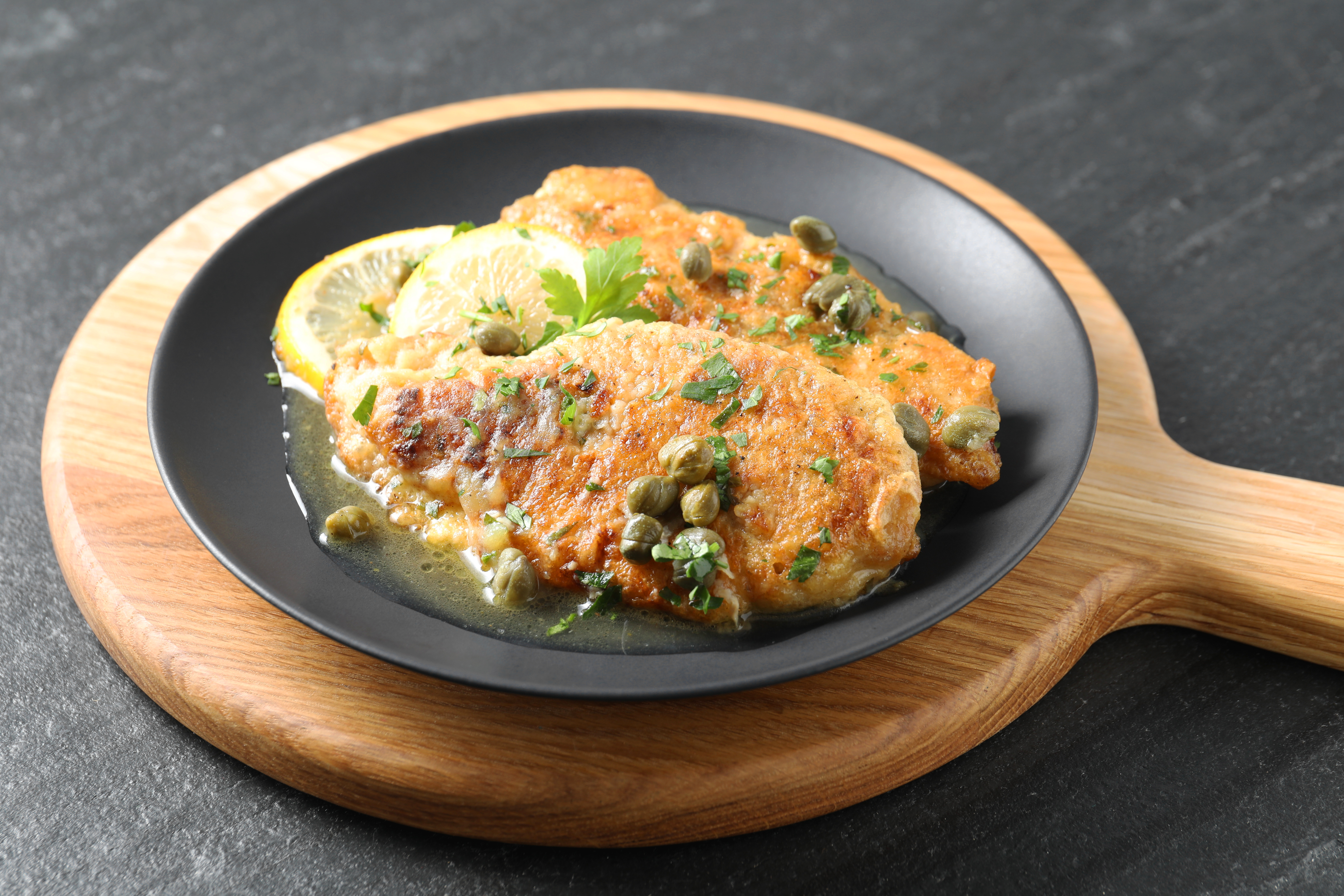
- Spread the shiny sauce over the chicken, scatter some parsley on top, and serve it
- with lemon wedges so that people can put more on if they desire.
A Few Things I've Learned the Hard Way
- Wash the capers. If you skip that step the sauce will become far too salty — I've found out the hard
- way.
- We want only fresh lemon juice. Bottled juice just isn't as bright. I really mean it, it's that different.
- Don't pile too much into the pan. It may seem quicker to add everything in at once, but it isn't; you'll
- simply end up with sad, steamed chicken.
- Make sure the butter remains cold. If it's at room temperature it won't emulsify the same way and
- the sauce will end up looking a bit broken rather than smooth.
Switch It Up
- •
- If you'd like to vary the ingredients, why not add some baby spinach or some chopped artichokes right
- after you've poured in the broth – they lose their firmness quickly and provide a pleasant earthy
- flavour.
- Adding sautéed mushrooms before reaching the sauce stage also gives the dish a rich, savoury taste.
- For a richer result, mix in a little heavy cream along with the butter and this will finish the dish off
- wonderfully.
- And if you're cutting down on carbohydrates, use almond flour rather than the regular flour, serving it
- with zucchini noodles.
Leftovers
- It will remain in the fridge for approximately two days when stored in a sealed container. The sauce
- usually thickens as it stands, so when you're reheating it add a bit of broth or water — reheat it slowly in
- a skillet so that the chicken doesn't become rubbery. The sauce by itself freezes very well and can be
- kept in the freezer for up to three months if you'd like to make a larger quantity