Ingredients
Method
How to Make It
STEP 1
- Once the coffee has cooled, pour it into a shallow dish, add the liqueur if you are using it, and place the dish beside your baking dish. Remember to ensure that the coffee is not hot, otherwise the ladyfingers will fall apart as soon as they come into contact with it.
STEP 2
- Stir the mascarpone into the powdered sugar and vanilla in a big bowl until it becomes smooth, being careful not to overdo it. If the mascarpone is beaten too vigorously it can become grainy, so all you need is a spatula or a few slow strokes from a mixer.
STEP 3
- Take the cream and whip it in another bowl until it reaches a stiff peak. Add it to the mascarpone mixture in two batches, mixing only until the streaks are no longer visible. The cream should then appear thick, fluffy, and spreadable.
STEP 4
- Now for the interesting part—put each ladyfinger into the coffee for a period of about one to two seconds on each side, long enough to make it damp but not soggy—and place it in the dish. Arrange approximately twelve so that they form one tight layer. Evenly spread half of the cream mixture over the top.
STEP 5
- Dip the ladyfingers again in a second layer and then spread the left-over cream on them, using the back of a spoon to smooth the surface.
STEP 6
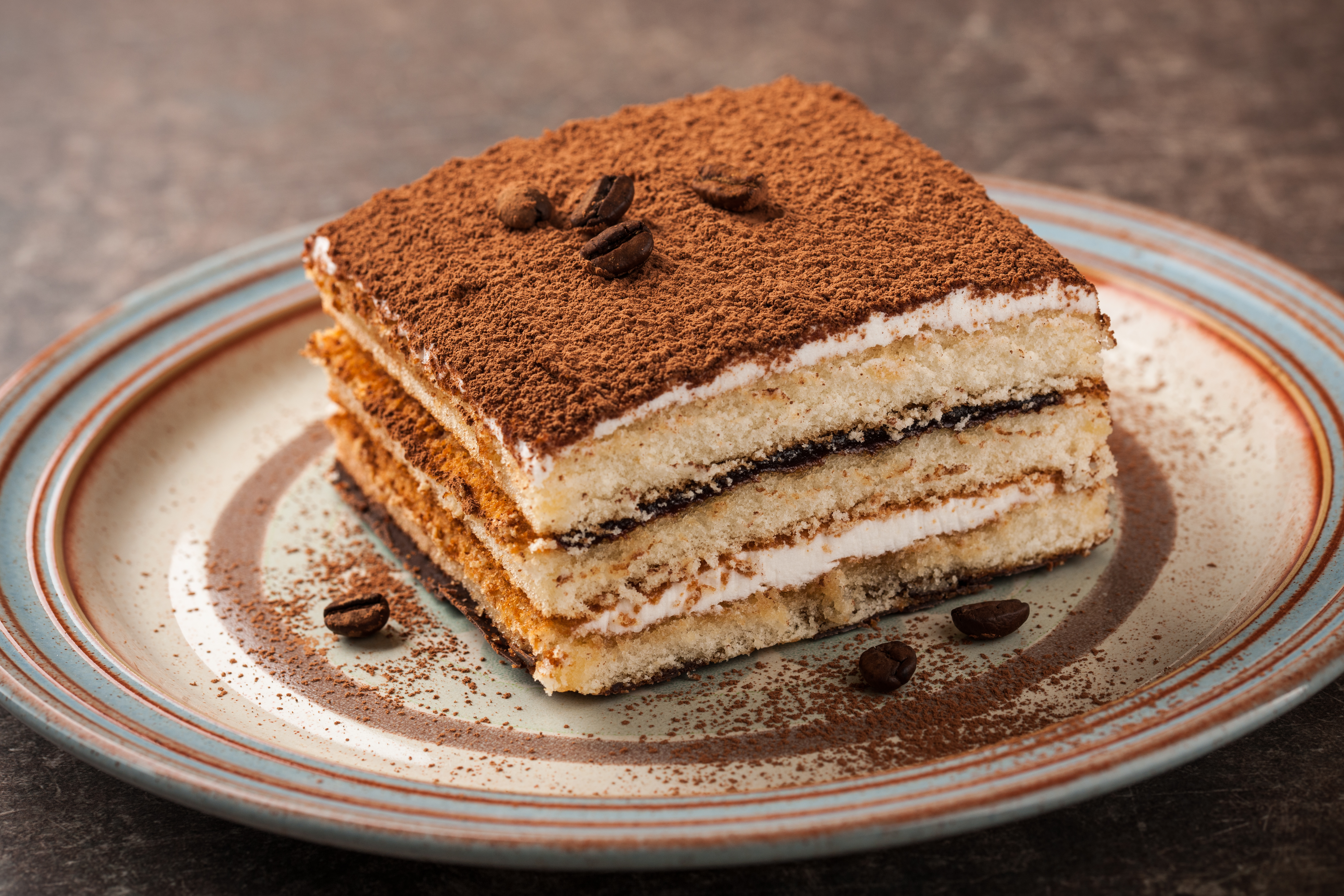
- Put the cover on and refrigerate it for at least six hours, preferably over night. Just before serving, pass the surface lightly over a fine sieve to dust it with cocoa powder and add the chocolate shavings if you wish. Cut it into slices, use a spatula to lift it out and then serve it cold.
A Few Things I’ve Learned Making This
- The main error is to soak the ladyfingers too much; a brief dip is sufficient since they continue to absorb moisture from the cream as the dessert chills. You should use the crisp and dry Italian type, not the soft sponge variety, as those become mushy very quickly. The mascarpone and cream should be kept cold until you are ready to use them, because warm dairy cannot be whipped properly. Also, don't sprinkle the cocoa until right before serving, or it will soak in and the top will end up patchy and damp.
- If You Want to Switch It Up
- Rum, amaretto, or Marsala can all be used as a substitute for coffee liqueur, or you can omit the alcohol altogether and use a little bit more coffee. If you are serving it in the evening and prefer to avoid the caffeine, decaf espresso works very well. To make a chocolate version, mix a tablespoon of cocoa into the coffee or incorporate some grated dark chocolate into the cream layer. It is also possible to prepare it in individual glasses or small jars, since this makes serving easier and looks impressive when serving to guests.
Storing Leftovers
- As long as tiramisu is tightly covered it will remain good in the refrigerator for up to three days, though in all honesty it usually tastes best on the second day. You can freeze it for as long as one month, provided it is well wrapped and without the cocoa on top, after which you should let it thaw overnight in the fridge; the texture will then be a bit softer but the flavour will be retained.
Questions People Ask Me
Has this tiramisu got any raw eggs?
- No, this recipe omits the eggs altogether and therefore contains nothing raw.
Why does my tiramisu turn out to be runny?
- It's usually because the ladyfingers have been soaked for too long, the mascarpone has been overmixed, or it hasn't been chilled for long enough. Dip them quickly, fold them gently, and chill it for a full six hours.
Can I substitute cream cheese for mascarpone?
- Well, you could if you had to, but the result would be more tangy and less refined. Mascarpone is really worth looking out for.
Notes
It is often thought that tiramisu is hard to make, but I believe that idea is mostly just a myth. As long as you are able to whip up some cream and dip a cookie in coffee, then you can prepare this dish. Just put everything together the night before, leave it to chill, and you'll end up with a dessert that appears as though you've put in a great deal of effort, even though in fact the fridge did most of the work.