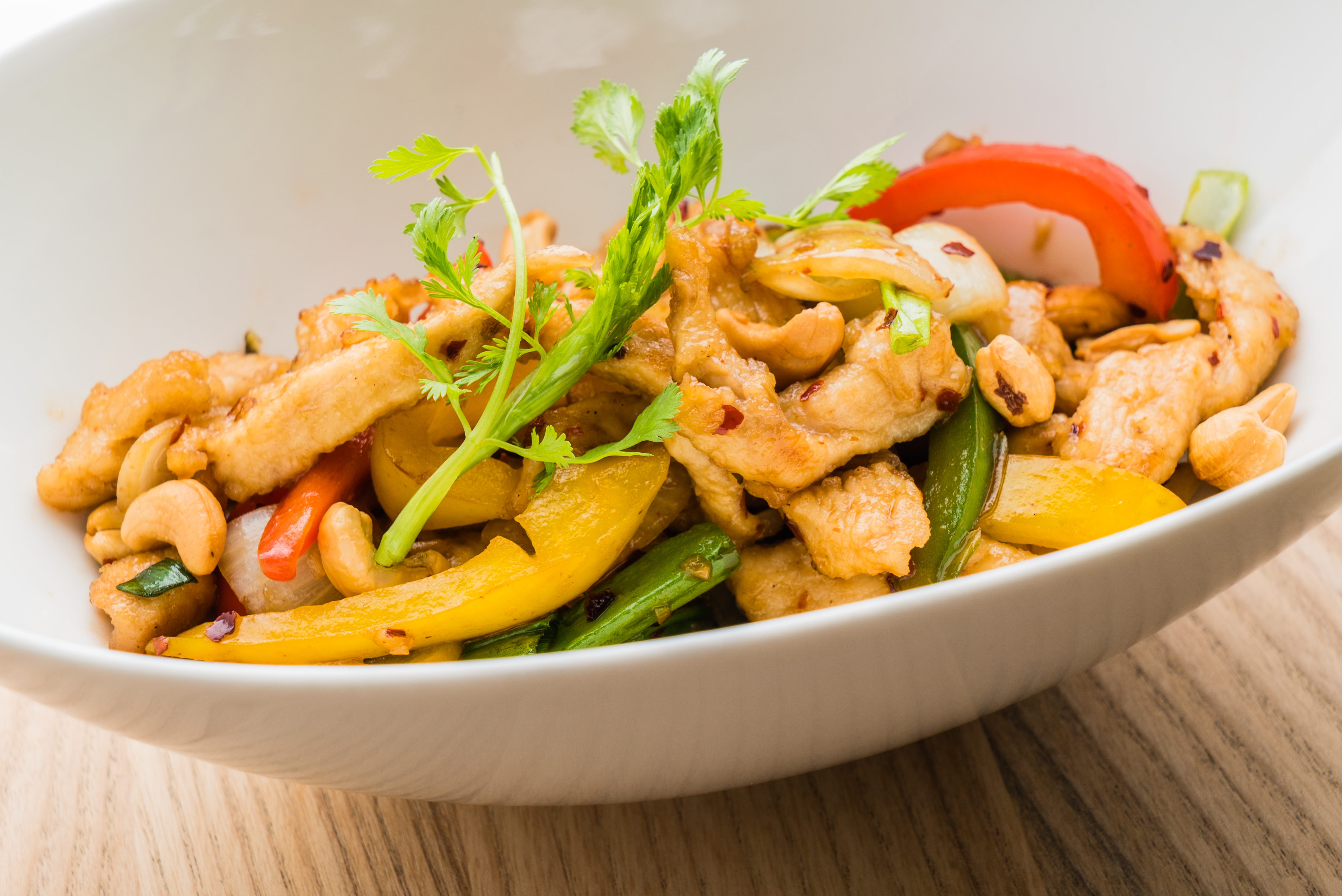
Ingredients
Method
The Method, Step by Step
Step 1: Marinate the chicken
- Mix the sliced chicken with the soy sauce, cornstarch, and pepper and then put it aside for
- approximately 10 minutes while you are getting ready with the other ingredients. This is the only
- waiting needed in the entire recipe; the cornstarch keeps the meat tender and also helps the sauce to
- stick later.
Step 2: Mix the sauce
- Take the soy sauce, oyster sauce, sesame oil, honey, cornstarch and water and stir them together in
- a small bowl. Preparing the sauce is one of the things that cooks refer to as mise en place, which just
- means that all the ingredients are put in order before you begin. Since stir frying is a quick process,
- carrying out this step ensures that the meal proceeds smoothly rather than becoming a mess.
Step 3: Sear the chicken
- Put one tablespoon of oil into a large skillet or wok and heat it over high heat until it just starts to
- smoke. Add the chicken, placing it in a single layer, and leave it undisturbed for two minutes so that it
- browns. After that, stir it and cook it for another two to three minutes until it is cooked through. Take it
- off and put it on a plate.
Step 4: Cook the aromatics
- Put the left-over oil into the same pan. Add the garlic and ginger and cook them for 15 to 20 seconds,
- just until they are fragrant. Since they burn quickly, make sure you keep stirring.
- Step 5: Add the vegetables
- Start by adding the more difficult vegetables, namely the carrots and broccoli, and cook them for 3 to
- 4 minutes. Next, add the bell pepper and cook it for another 2 minutes. The vegetables should end up
- crisp-tender and still have a little bite.
Step 6: Bring it together
- Put the chicken back into the pan, stir the sauce quickly and then pour it over all the ingredients, and
- cook for 1 to 2 minutes while stirring until the sauce thickens and gives the chicken and vegetables a
- shiny glaze.
Step 7: Serve
- Add some green onions and sesame seeds and then serve it immediately while it's hot.
Tips for a Restaurant-Quality Stir Fry at Home
- Cut the chicken into thin slices, with the grain. This will cause it to cook more quickly and remain
- tender.
- Chop the vegetables into pieces of similar size so that they will all be ready at the same time.
- Avoid constantly stirring the food; instead, let it remain in the hot pan for a few seconds so that it
- sears rather than just warming.
- If it's necessary, cook the food in batches; if your stove doesn't get very hot, then use smaller
- quantities since it will take a minute or two longer but the texture will be considerably better.
- Dry the vegetables since wet ones will spit in the oil and cause the temperature to drop.
- It is best to use a neutral oil with a high smoke point, such as vegetable, canola, or peanut oil.
Easy Substitutions
- Oyster sauce isn't required; instead, use a bit more soy sauce and a little sugar.
- If you want it to be spicy, just add a drizzle of chili garlic sauce or a pinch of red pepper flakes at
- the end.
- Chicken thighs remain juicy even if they are overcooked by a minute or two, which provides a
- good safety margin for those who are just starting out.
- Other vegetables such as snap peas, mushrooms, baby corn, zucchini, or cabbage will work just
- fine.
- For a lower carb option, omit the rice and serve it either over cauliflower rice or with a simple
- cucumber salad.
What to Serve With Chicken Stir Fry
- Steamed white rice or jasmine rice is the traditional option since it absorbs the extra sauce. Noodles
- give the dish more substance. If you want something lighter, then try steamed rice noodles or serve
- the stir fry in lettuce cups as a fresh and lower-carb meal.
Storing and Reheating Leftovers
- You can store it in a sealed container for up to three days, making it an excellent dish for preparing
- meals in advance.
- To reheat it, heat it in a hot pan rather than using the microwave. Stirring it quickly over high heat will
- restore some of the fresh-cooked texture which a microwave generally flattens.
- Freezer: It tastes best when fresh. The vegetables get soft after freezing.
Common Questions
Can I use frozen vegetables?
- Well, but first thaw them and then pat them dry, otherwise they will release too much water into the
- pan and thin the sauce.
What oil is best for stir frying?
- Vegetable, canola, or peanut oil—all of them have a neutral taste and a high smoke point, which is
- what you need when using high heat.
May I prepare the sauce in advance?
- Yes, it will stay in the refrigerator for several days, meaning that future dinners will be even quicker.
What makes my stir fry so watery?
- It might have been that the pan was too full or not hot enough, or the vegetables could have been
- wet. You should use high heat and prepare the batches in turns.
What makes my chicken tough?
- It could have been sliced too thick or cooked for too long; you should slice it thin and take the heat off
- as soon as it is cooked through.
Notes
The simple chicken stir fry is included in the regular weeknight meals since it provides plenty of
flavour with only a small amount of effort. Once you've prepared it a few times, you'll reach a stage
where you no longer need to measure the ingredients and will instead cook on instinct; you can use any vegetables that you have left over, modify the sauce to suit your taste, and have your dinner
ready before you've finished scrolling through a delivery app
flavour with only a small amount of effort. Once you've prepared it a few times, you'll reach a stage
where you no longer need to measure the ingredients and will instead cook on instinct; you can use any vegetables that you have left over, modify the sauce to suit your taste, and have your dinner
ready before you've finished scrolling through a delivery app