
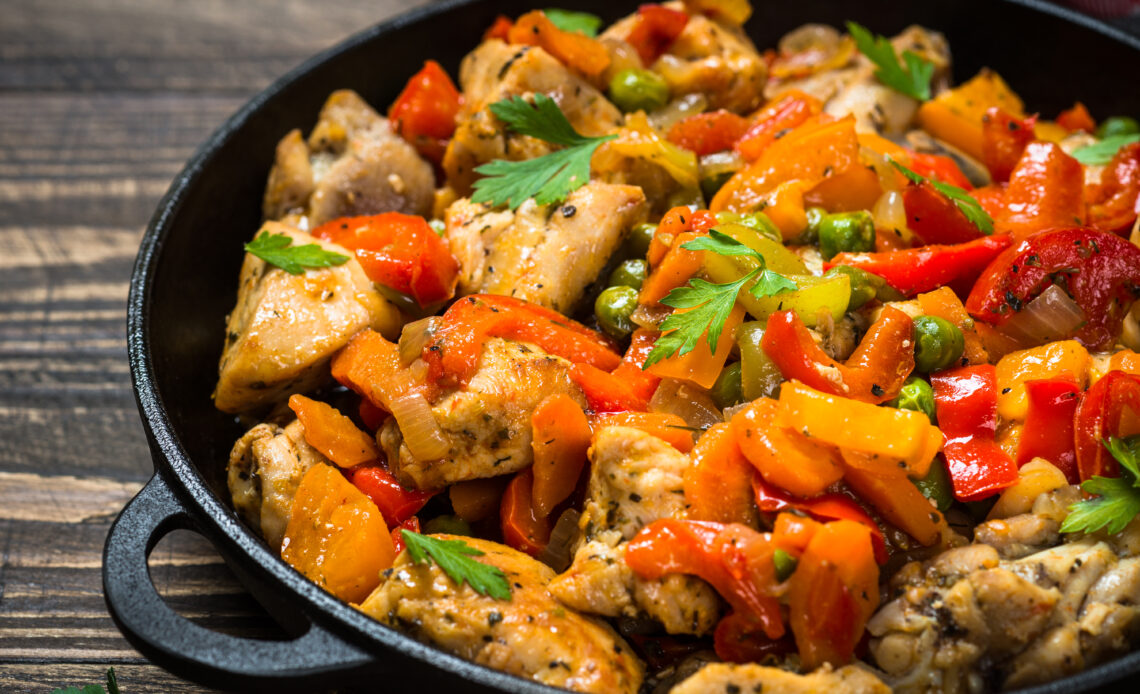
Simple Chicken stir fry is a popular choice for meals on weeknights all over the world; it’s quick to prepare,
easy to cook properly, and when it’s well done it has the same flavour as the food from your favourite
takeout restaurant, without having to pay for delivery or worrying about what’s in the sauce. The
simple chicken stir fry recipe takes about 20 minutes from the first cut to the first bite and requires just
one pan, working with any vegetables that are in your refrigerator.
Nobody is alone if they’ve once found themselves with a soggy and watery stir fry and have then
wondered what the problem was. The solution is simpler than you may imagine and rests on three
points: using high heat, adding the ingredients in the correct order, and making sure that the sauce
sticks to the chicken rather than collecting at the bottom of the pan.
Why You’ll Love This Simple Chicken Stir Fry
- It’s ready after twenty minutes, fast enough for the busiest evening.
- Use one pan, which means less cooking and less cleaning.
- Some chicken, seasoned quickly with cornstarch so that the meat stays juicy.
- Flexible; you can use any vegetables that are crunchy that you have.
- It’s better than eating takeout since you have control over the salt, the oil, and the ingredients.
Why This Recipe Works
The majority of poorly prepared stir fries suffer from one of two issues: the pan is not hot enough or
there is too much food added all at once. If cold chicken and moist vegetables are placed in the pan
together, the temperature drops and all the ingredients end up steaming rather than searing. The
chicken that has been steamed becomes grey and tough, whereas chicken that has been seared is
golden, juicy, and slightly charred—this is what gives stir fry its flavour.
The way this recipe works is to cook the chicken first, then the vegetables, and finally to mix
everything together with the sauce. It’s the same approach that professional kitchens take, just
applied on a smaller scale for a Tuesday night.
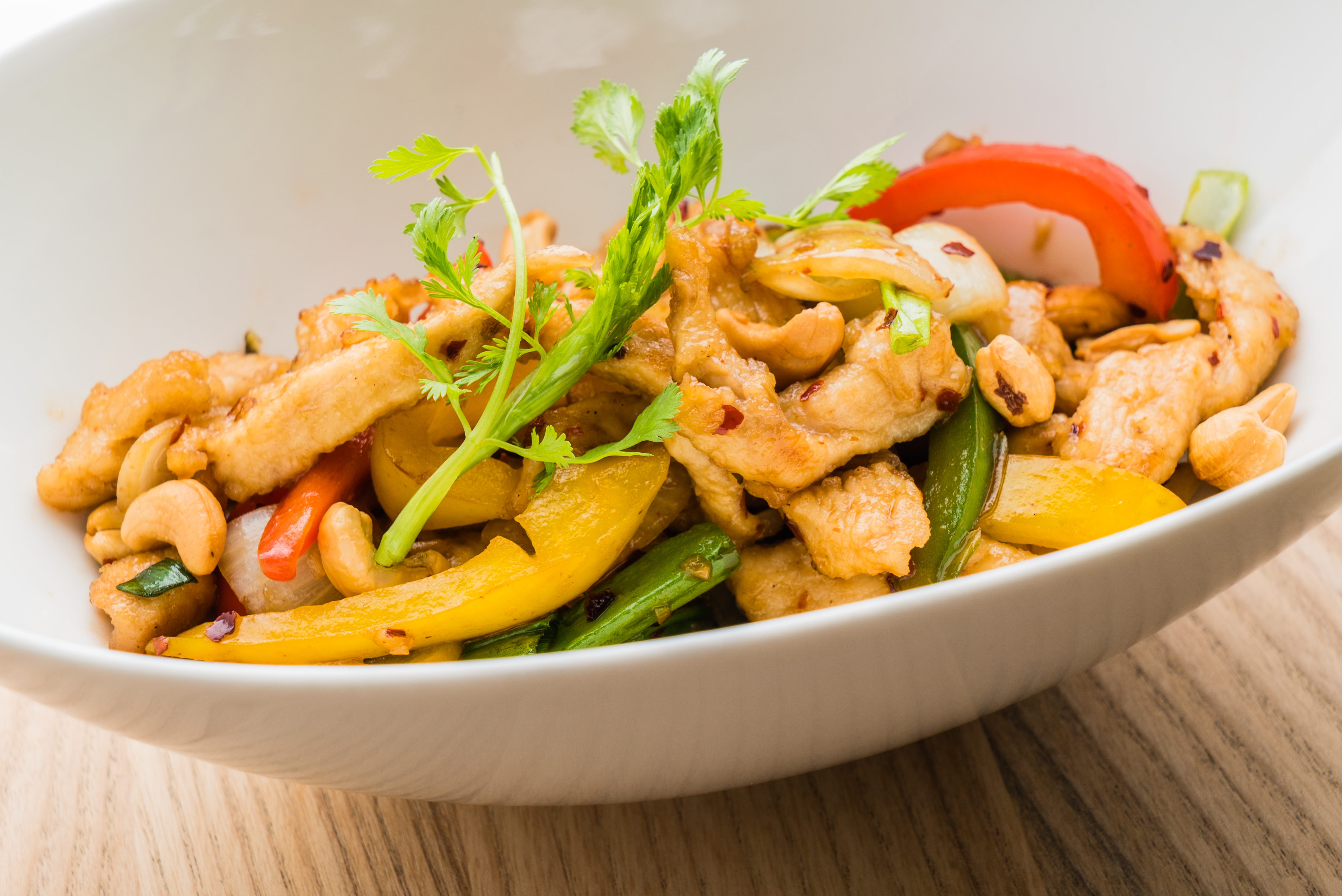
Simple Chicken Stir Fry (Easy Weeknight Dinner in 20 Minutes)
Ingredients
Method
- Mix the sliced chicken with the soy sauce, cornstarch, and pepper and then put it aside for
- approximately 10 minutes while you are getting ready with the other ingredients. This is the only
- waiting needed in the entire recipe; the cornstarch keeps the meat tender and also helps the sauce to
- stick later.
- Take the soy sauce, oyster sauce, sesame oil, honey, cornstarch and water and stir them together in
- a small bowl. Preparing the sauce is one of the things that cooks refer to as mise en place, which just
- means that all the ingredients are put in order before you begin. Since stir frying is a quick process,
- carrying out this step ensures that the meal proceeds smoothly rather than becoming a mess.
- Put one tablespoon of oil into a large skillet or wok and heat it over high heat until it just starts to
- smoke. Add the chicken, placing it in a single layer, and leave it undisturbed for two minutes so that it
- browns. After that, stir it and cook it for another two to three minutes until it is cooked through. Take it
- off and put it on a plate.
- Put the left-over oil into the same pan. Add the garlic and ginger and cook them for 15 to 20 seconds,
- just until they are fragrant. Since they burn quickly, make sure you keep stirring.
- Step 5: Add the vegetables
- Start by adding the more difficult vegetables, namely the carrots and broccoli, and cook them for 3 to
- 4 minutes. Next, add the bell pepper and cook it for another 2 minutes. The vegetables should end up
- crisp-tender and still have a little bite.
- Put the chicken back into the pan, stir the sauce quickly and then pour it over all the ingredients, and
- cook for 1 to 2 minutes while stirring until the sauce thickens and gives the chicken and vegetables a
- shiny glaze.
- Add some green onions and sesame seeds and then serve it immediately while it’s hot.
- Cut the chicken into thin slices, with the grain. This will cause it to cook more quickly and remain
- tender.
- Chop the vegetables into pieces of similar size so that they will all be ready at the same time.
- Avoid constantly stirring the food; instead, let it remain in the hot pan for a few seconds so that it
- sears rather than just warming.
- If it’s necessary, cook the food in batches; if your stove doesn’t get very hot, then use smaller
- quantities since it will take a minute or two longer but the texture will be considerably better.
- Dry the vegetables since wet ones will spit in the oil and cause the temperature to drop.
- It is best to use a neutral oil with a high smoke point, such as vegetable, canola, or peanut oil.
- Oyster sauce isn’t required; instead, use a bit more soy sauce and a little sugar.
- If you want it to be spicy, just add a drizzle of chili garlic sauce or a pinch of red pepper flakes at
- the end.
- Chicken thighs remain juicy even if they are overcooked by a minute or two, which provides a
- good safety margin for those who are just starting out.
- Other vegetables such as snap peas, mushrooms, baby corn, zucchini, or cabbage will work just
- fine.
- For a lower carb option, omit the rice and serve it either over cauliflower rice or with a simple
- cucumber salad.
- Steamed white rice or jasmine rice is the traditional option since it absorbs the extra sauce. Noodles
- give the dish more substance. If you want something lighter, then try steamed rice noodles or serve
- the stir fry in lettuce cups as a fresh and lower-carb meal.
- You can store it in a sealed container for up to three days, making it an excellent dish for preparing
- meals in advance.
- To reheat it, heat it in a hot pan rather than using the microwave. Stirring it quickly over high heat will
- restore some of the fresh-cooked texture which a microwave generally flattens.
- Freezer: It tastes best when fresh. The vegetables get soft after freezing.
- Well, but first thaw them and then pat them dry, otherwise they will release too much water into the
- pan and thin the sauce.
- Vegetable, canola, or peanut oil—all of them have a neutral taste and a high smoke point, which is
- what you need when using high heat.
- Yes, it will stay in the refrigerator for several days, meaning that future dinners will be even quicker.
- It might have been that the pan was too full or not hot enough, or the vegetables could have been
- wet. You should use high heat and prepare the batches in turns.
- It could have been sliced too thick or cooked for too long; you should slice it thin and take the heat off
- as soon as it is cooked through.
Notes
flavour with only a small amount of effort. Once you’ve prepared it a few times, you’ll reach a stage
where you no longer need to measure the ingredients and will instead cook on instinct; you can use any vegetables that you have left over, modify the sauce to suit your taste, and have your dinner
ready before you’ve finished scrolling through a delivery app