
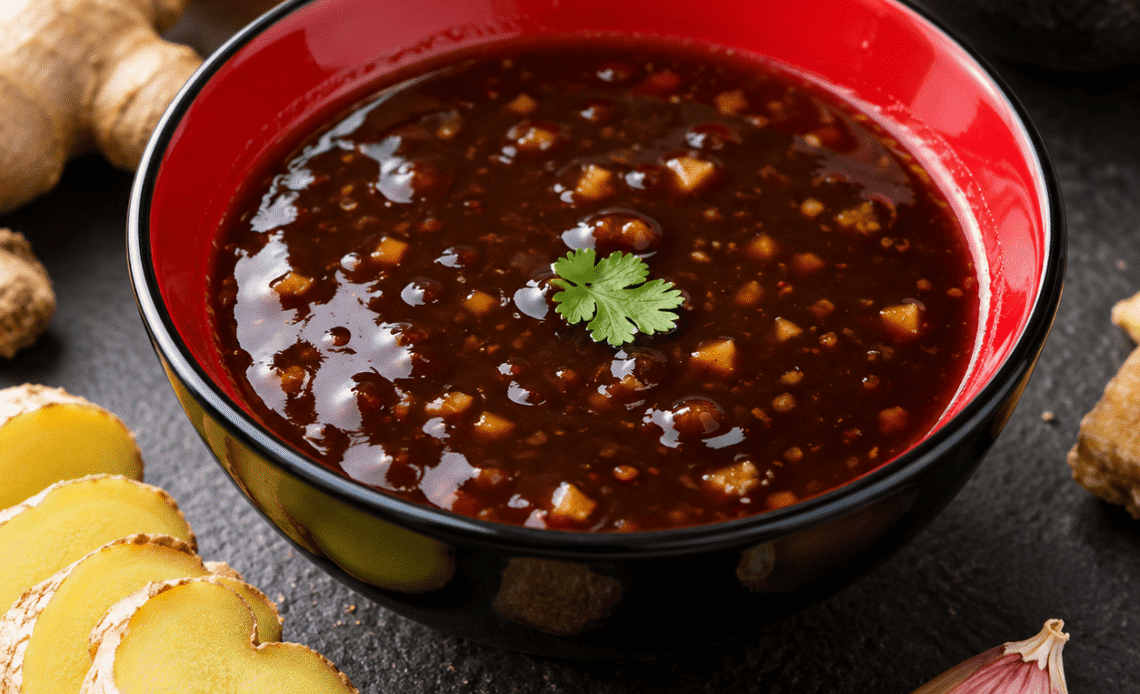
Most store-bought teriyaki sauce is either too salty, too sweet, or contains a lot of thickeners and preservatives. My teriyaki sauce recipe overcomes all three of these problems. The recipe takes around 10 minutes, calls for common ingredients found in home pantries, and produces a shiny, well-balanced sauce having the rich, savoury-sweet taste that you find at your preferred Japanese restaurant. After you have some of it in the refrigerator, preparing dinner becomes simpler. You can brush it on chicken, mix it with noodles, or pour it over rice and vegetables, thus turning a boring meal into one that you look forward to.
What Is Teriyaki Sauce?
The term teriyaki is made up of two Japanese words, teri which means shine or luster, and yaki which means grilled or broiled. It is traditionally a method of cooking in which food is coated with a sweet soy-based sauce while it is being cooked, thus acquiring a shiny appearance. In the West, ‘teriyaki sauce’ generally refers to the sauce alone, comprising soy sauce, a sweetener, and aromatic ingredients such as garlic and ginger, which are simmered until it becomes slightly thick.
Why You’ll Love This Teriyaki Sauce Recipe
– Ready in 10 minutes on the stovetop
– Simple ingredients you probably already have
– Balanced flavor, not overly salty or sugary
– No preservatives or artificial thickeners
– Versatile as a marinade, glaze, stir-fry sauce, or dipping sauce
– Easy to make ahead and store for two weeks
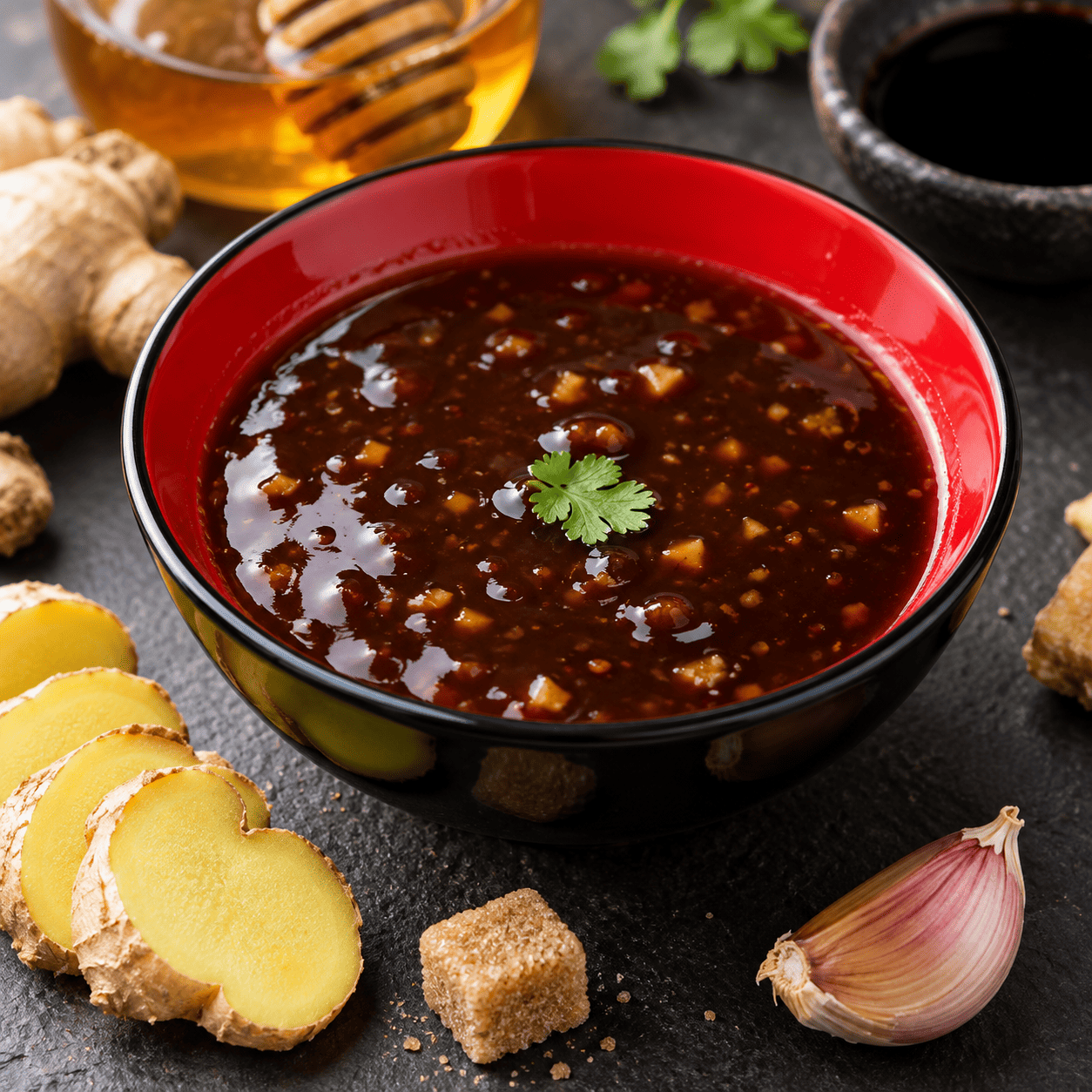
Teriyaki Sauce Recipe: Easy Homemade Sauce Ready in 10 Minutes
Ingredients
Method
- Put the soy sauce, mirin, water, brown sugar and honey into a small
- saucepan and stir until the sugar starts to dissolve.
- Heat gently until the mixture begins to bubble.
- For 3 to 4 minutes to blend flavors.
- Add cornstarch slurry while stirring continuously. Cook for 1 to 2 minutes until
- glossy.
- Remove from heat, add sesame oil if desired, and allow the sauce to
- thicken as it cools.
- Use low-sodium soy sauce for better salt control.
- Use genuine mirin for depth and shine.
- Finely grate fresh ginger for the best flavor.
- Always mix cornstarch with cold water before adding.
- Adjust thickness depending on whether you need a marinade, glaze, or dipping sauce.
- Taste before finishing and balance saltiness or sweetness if needed.
- – Teriyaki chicken: Marinate chicken thighs, cook, and glaze with extra sauce.
- – Salmon: Brush during the final minutes of baking or grilling.
- – Stir-fries: Toss with vegetables, tofu, or beef.
- – Rice bowls: Add over rice, broccoli, and eggs.
- – Noodles: Mix with soba or udon.
- – Meatballs and wings: Use as a finishing glaze.
- – Grilled vegetables: Brush on mushrooms, eggplant, or pineapple.
- Spicy teriyaki: Add sriracha or red pepper flakes.
- Citrus teriyaki: Add orange juice.
- Gluten-free: Use tamari or gluten-free soy sauce.
- Sugar-reduced: Reduce brown sugar and adjust honey.
- Pineapple teriyaki: Replace water with unsweetened pineapple juice.
- Sesame-ginger: Add more ginger and sesame oil.
- Cool completely and store in a sealed jar. Refrigerate for up to two weeks. Freeze in ice cube trays
- for up to three months for individual servings.
- Yes. Use rice vinegar with extra sugar, dry white wine with sugar, or dry sherry.
- Simmer longer or add another cornstarch slurry.
- Regular soy sauce or over-reduction can cause this. Add water and honey to balance.
- Yes. Simmer longer for natural reduction.
- Homemade sauces allow control over salt and sugar, but they are still high in sodium.
- Yes. Omit cornstarch, cool, and marinate chicken, fish, or tofu.
Notes